


ようこそ!
マイページ
ご利用ガイド
組合員情報の変更
メールアドレスの変更
ログイン
サイトトップ
e
フレンズトップ
すべて
本
雑誌
CD
DVD・Blu-ray
クリア
本 こだわり検索
書名
著者名
商品説明
出版社名
出版年月
―
2027
2026
2025
2024
2023
2022
2021
2020
2019
2018
2017
2016
2015
2014
2013
2012
2011
2010
2009
2008
2007
2006
2005
2004
2003
2002
2001
2000
1999
1998
1997
1996
1995
1994
1993
1992
1991
1990
1989
1988
1987
1986
1985
1984
1983
1982
年
―
1
2
3
4
5
6
7
8
9
10
11
12
月
以前
のみ
以降
ジャンル
選択してください
文庫
新書・選書
文芸
教養
人文
教育
芸術
児童
趣味
生活
地図・ガイド
就職・資格
語学
小学学参
中学学参
高校学参
辞典
コミック
ゲーム攻略本
エンターテイメント
日記手帳
社会
法律
経済
経営
ビジネス
理学
工学
コンピュータ
医学
看護学
薬学
ISBNコード
予約商品を表示しない
検索
クリア
本 >
語学
>
日本語
>
日本語教育
出版社名:三元社
出版年月:2010年3月
ISBN:978-4-88303-272-3
10,189P 21cm
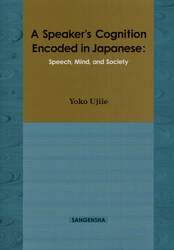
A Speaker’s Cognition Encoded in Japanese Speech,Mind,and Society
Yoko Ujiie/著
組合員価格 税込
2,090
円
(通常価格 税込 2,200円)
割引率 5%
お取り寄せ
お届け日未定
※お盆前後は商品のお届けが通常より遅れる場合がございます。
内容紹介・もくじなど
誰もが他者に伝えたいと思う“心の声”はどの程度「言語化」できているのか。日本語では「やっぱり」「どうにも」「~なんです」等、話し手の心的過程が見事にコード化されている。これに着目して「含過程構造」と命名、ウチ社会でのコミュニケーションの中で発達した姿を英語と対照させて分析。日本の言語文化の理解、日本語教育での活用も視野に。
もくじ情報:1 Subjective Expressions Characteristic to Japanese(Cultural Linguistic Study of the Japanese Folded Way of Expression:Interaction …(
続く
)
誰もが他者に伝えたいと思う“心の声”はどの程度「言語化」できているのか。日本語では「やっぱり」「どうにも」「~なんです」等、話し手の心的過程が見事にコード化されている。これに着目して「含過程構造」と命名、ウチ社会でのコミュニケーションの中で発達した姿を英語と対照させて分析。日本の言語文化の理解、日本語教育での活用も視野に。
もくじ情報:1 Subjective Expressions Characteristic to Japanese(Cultural Linguistic Study of the Japanese Folded Way of Expression:Interaction of speech,mind,and society;Mental Integration Observed in Japanese Adverbs:Epistemological study on language;Japanese Speakers’ Mental Processes Reflected in the‘WA’Sentence ほか);2 Generation and Development of Subjective Expressions in Japanese Society(Japanese‘Signal Words’and Falsetto Voice as Sources of Subjective Words;The Expression of a Speaker’s Cognition Fostered by Japanese In‐group Communication;Japanese Characteristic Expressions of the Subjective World and Interpersonal Relationships ほか);3 Japanese Society and Language Use(The Evolution of Linguistic Expressions in Japanese and English Societies:From‘situation‐tied’to‘culture‐independent’expression;Politeness and Japanese Addressee Honorifics:Markers of speaker‐hearer distance;Expression of Personal Feeling,Society,and Language:The case of discriminatory consciousness in Japanese society ほか)
著者プロフィール
氏家 洋子(ウジイエ ヨウコ)
早稲田大学大学院文学研究科博士課程単位取得。早稲田大学専任講師、英国シェフィールド大学研究員、山形大学助教授、明星大学教授、山口大学教授等を経て2005年よりノートルダム清心女子大学教授。専門は言語文化学、日本語学、対照言語学(本データはこの書籍が刊行された当時に掲載されていたものです)
氏家 洋子(ウジイエ ヨウコ)
早稲田大学大学院文学研究科博士課程単位取得。早稲田大学専任講師、英国シェフィールド大学研究員、山形大学助教授、明星大学教授、山口大学教授等を経て2005年よりノートルダム清心女子大学教授。専門は言語文化学、日本語学、対照言語学(本データはこの書籍が刊行された当時に掲載されていたものです)
同じ著者名で検索した本
教科書に書かれなかった戦争 わたしたちの《歴史総合》 PART77/戦争が生んだ子どもたち ルーツを捜す日系2世オランダ人
鎧を脱いだら、空はこんなに青かった 私が一番欲しかった「私の心」を取り戻す本
YOKO/著
アンフォ フランス語でニュースを読む 2 日本語訳付
井上美穂/著 フローレンス・容子・シュードル/著 ヴァンサン・デュレンベルジェ/著
Law and Society in Japan
Kyoko Ishida/編著
越後おとぎ話対訳版まとめ本 2
Yoko Tate/著
DEAR MY FRIEND/歌詞の本棚
Akihiro Namba/歌詞 Ken Yokoyama/歌詞 Daisuke Hongolian/絵
Theエレメント 4つの性質で人生は驚くほど整う 星の地図が教える「本当の私」
SAYOKO/著
How to Draw KAWAII CATS
Sayo Koizumi/〔著〕
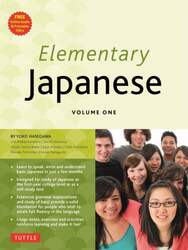
Elementary Japanese VOLUME1
YOKO HASEGAWA/〔ほか著〕
How to take antioxidant vitamins using a nutrition software program
Akiko Yokouchi/著
もくじ情報:1 Subjective Expressions Characteristic to Japanese(Cultural Linguistic Study of the Japanese Folded Way of Expression:Interaction …(続く)
もくじ情報:1 Subjective Expressions Characteristic to Japanese(Cultural Linguistic Study of the Japanese Folded Way of Expression:Interaction of speech,mind,and society;Mental Integration Observed in Japanese Adverbs:Epistemological study on language;Japanese Speakers’ Mental Processes Reflected in the‘WA’Sentence ほか);2 Generation and Development of Subjective Expressions in Japanese Society(Japanese‘Signal Words’and Falsetto Voice as Sources of Subjective Words;The Expression of a Speaker’s Cognition Fostered by Japanese In‐group Communication;Japanese Characteristic Expressions of the Subjective World and Interpersonal Relationships ほか);3 Japanese Society and Language Use(The Evolution of Linguistic Expressions in Japanese and English Societies:From‘situation‐tied’to‘culture‐independent’expression;Politeness and Japanese Addressee Honorifics:Markers of speaker‐hearer distance;Expression of Personal Feeling,Society,and Language:The case of discriminatory consciousness in Japanese society ほか)